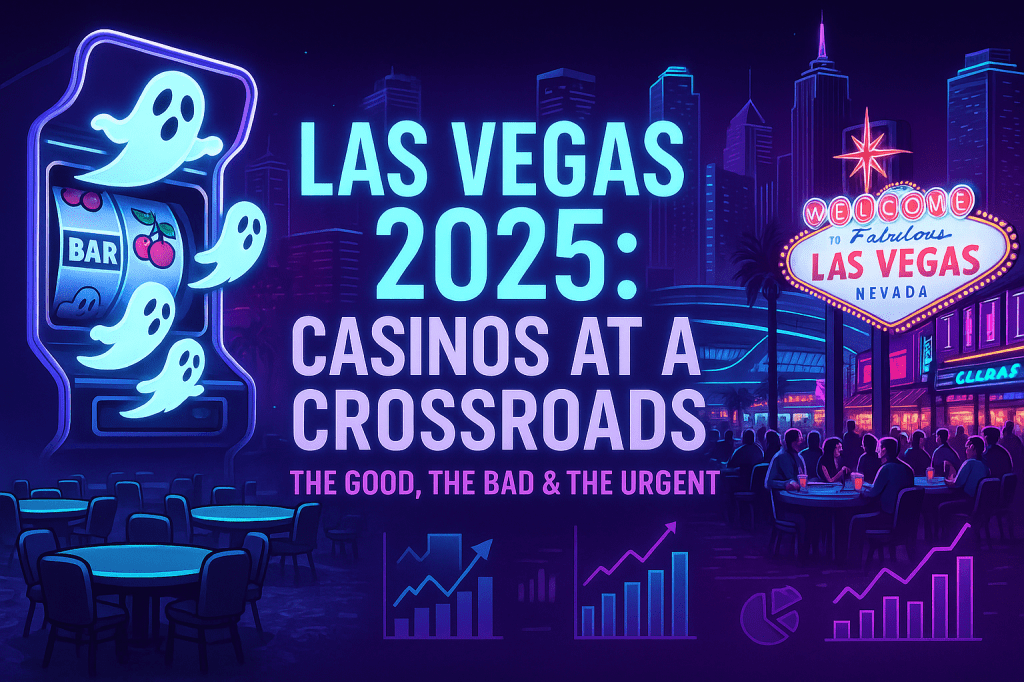
Las Vegas in September 2025 is a split-screen story. Off the Strip, neighborhood casinos are humming with steady foot traffic, loyal repeat players, and record results. On the Strip, the lights are still bright but the crowds are thinner and mid-market properties are discounting hard to keep rooms full midweek. The headline is paradoxical: casino revenues are broadly resilient thanks to locals and high-end play, yet visitation, occupancy, and value perception have slipped enough to fuel that “ghost town” narrative you keep seeing on social feeds.
Why the divergence? Locals casinos have leaned into what Vegas used to do best: value, convenience, and rapport. Free parking, lower table minimums, inexpensive eats, and player-club perks make a night out feel sensible again. Population growth and recent boosts to take-home pay for service workers mean more discretionary cash staying in Clark County, and a lot of it lands in slot coin-in, video poker, bingo, and casual table play. Newer suburban projects—think polished, amenity-rich properties with good restaurants and sports viewing—have expanded the locals market rather than cannibalizing it. That’s how “off-Strip” has become the engine this year.
The Strip is living a different cycle. Visitor counts are down versus last year, convention attendance is softer, and international travel hasn’t fully snapped back. When the body count thins, the social media optics get brutal: wide-angle shots of quiet casino pits at 10am go viral while shoulder-to-shoulder weekends barely register. Mid-week ADRs have been cut to protect occupancy, but the dollars saved on rooms often get eaten by resort fees, pricey cocktails, and $100-plus show tickets. The result is frayed value perception: many repeat visitors still love the spectacle, but they’re telling friends to pick off-peak deals or try off-Strip alternatives where the experience-to-price ratio feels saner.

At the same time, the very top of the Strip continues to defy gravity. Upscale resorts anchored by premium baccarat, high-limit slots, luxury suites, Michelin-chasing dining, and branded nightlife are cushioned by guests who are less price-sensitive. These properties keep solid occupancy and elevated room rates by mining their loyalty databases and international VIP networks. The “barbell” effect is real: the high-end and the locals segments are ok-to-strong; the middle struggles.
Regulatory and policy currents are also shaping the year. Federal moves that complicate inbound travel or reduce the deductibility of gambling losses create friction for long-haul visitors and high-volume players. Nevada’s counter-moves—like liberalizing high-limit salon access—aim to widen the funnel for premium play. Compliance is under a microscope after headline fines, which pushes operators to tighten AML and surveillance even as they court more action. Meanwhile, labor and cyber costs remain elevated coming out of pandemic disruptions and 2023’s cyber incidents; operators are modernizing systems, but higher OpEx compresses margins just as room rates drift down.

Under the hood, Vegas’s long transition to an entertainment-first economy is accelerating. Stadiums, the F1 street circuit, mega-residencies, and the Sphere broaden the draw beyond the casino floor. That strategy works on event weekends and for affluent travelers, but it doesn’t fully solve weekday softness or the perception that basic vacation staples—buffets, drinks, casual shows—have become “Vegas-priced.” The next iteration has to rebalance sizzle with accessibility so the average visitor leaves feeling they got a fair shake.
So what’s good, what’s bad, and what’s urgent?
The good: Locals casinos are a bright spot. Suburban and neighborhood properties are posting healthy growth on both gaming and non-gaming, and their customer base is sticky. The luxury tier on the Strip also looks durable: top brands maintain strong ADRs and monetize guests across tables, slots, suites, retail, dining, and nightlife. Sports and marquee events continue to add diversified demand drivers that competitors in other markets can’t easily replicate.
The bad: Mid-market Strip resorts face occupancy pressure, weaker convention fill, and intense competition. Discounting rooms protects heads-in-beds but can wreck RevPAR, especially when guests balk at resort fees and higher incidentals. Social sentiment around “price gouging” and reduced comps erodes goodwill. International visitor friction and macro uncertainty weigh on spontaneous trips. Older properties that haven’t reinvested look and feel tired next to shiny neighbors.
The urgent problems: First, value perception must be repaired. That means rethinking resort fees, restoring visible generosity (comps that feel real, not gamified crumbs), and right-sizing menu and beverage pricing so the check doesn’t feel punitive. Second, midweek convention health needs attention: targeted incentives, bundled offers, and better programming can stabilize the Tuesday–Thursday troughs that kill momentum. Third, consistent service in a leaner labor model matters; cut too deep and you pay twice in social reviews and repeat rates. Finally, tech resilience is non-negotiable—cashless, loyalty, surveillance, and cybersecurity investments are table stakes for trust.

Winners and laggards illustrate the playbook. Wynn/Encore shows that a coherent luxury thesis with loyal high-value guests can beat the cycle. Red-Rock-style locals resorts prove that value, convenience, and community build record quarters in a “down” year. Downtown’s modern flagship properties demonstrate that fresh product and sports-centric experiences can lift an entire submarket. On the other side, new megaresorts without a locked-in core audience, older mid-Strip icons that rely on location over reinvestment, and rebrands that haven’t found their niche are revealing the limits of “if you build it, they will come.”
The bottom line: Las Vegas isn’t dying—it’s correcting, segmenting, and evolving. The city will do what it always does: adapt. In the near term, expect sharper segmentation, more targeted offers, and louder value messaging as operators fight for every body on the floor. In the medium term, expect more sports and spectacle layered onto refined casino products. The places that win will blend fair value with genuine wow. The places that lose will assume history and foot traffic are strategies. The house usually wins—but only the houses that keep improving the game.

Las Vegas, Las Vegas Strip, Vegas casinos, casino revenue, Las Vegas tourism, resort fees, Las Vegas hotels, ADR RevPAR, baccarat, slot machines, locals casinos, Red Rock Casino, Durango Casino, Wynn Las Vegas, Encore Las Vegas, Circa Las Vegas, Resorts World Las Vegas, Flamingo Las Vegas, Downtown Las Vegas, Fremont Street, convention travel, sports tourism, Formula 1 Las Vegas, Sphere Las Vegas, MLB stadium Las Vegas, casino comps, table games, baccarat hold, gaming regulation, AML compliance, Las Vegas prices, visitor sentiment, cyber security
 vindoriadotnet